Protecting Your Hearing Naturally — What You Need to Know (2026)
Key Takeaways
- ✓ Your hearing system is complex but manageable—age-related changes are gradual, giving you time to support your auditory health proactively.
- ✓ Specific nutrients like magnesium, zinc, and omega-3s are essential for ear function, and food should be your first source for these nutrients.
- ✓ Cardiovascular health directly impacts hearing health, making exercise and heart-healthy foods beneficial for both systems.
- ✓ Noise exposure is the most preventable cause of hearing loss—protecting yourself from loud sounds is one of your most powerful protective tools.
- ✓ Tinnitus affects millions but is manageable through addressing circulation, inflammation, stress, and nutrient intake.
- ✓ Early detection through baseline hearing tests allows for more options and better outcomes if changes do occur.
How Your Hearing System Works
You know that moment when someone whispers something across a crowded room and you somehow catch it? That's your hearing system doing some seriously complex work behind the scenes. Your ears aren't just passively sitting there — they're actually tiny biological supercomputers, constantly translating vibrations in the air into signals your brain can understand. And here's the wild part: this entire process happens in milliseconds.
Let's break down how this sophisticated sound translation system actually works. Your outer ear — that's the visible part you can touch, plus the ear canal — acts like a funnel, collecting sound waves and directing them inward. Those sound waves then hit your eardrum, which vibrates like the skin of a drum (hence the name). Behind your eardrum sits your middle ear, a tiny air-filled chamber about the size of a pea, containing three bones called the ossicles: the hammer, anvil, and stirrup. These bones amplify the vibrations and pass them along to your inner ear, where the real magic happens. According to research from the National Institute on Deafness and Other Communication Disorders, these three bones can amplify sound vibrations by roughly 30 times — that's how your system manages to pick up even quiet sounds.
The inner ear is where sound becomes neural language. Inside a snail-shaped structure called the cochlea live thousands of specialized hair cells — we're talking about 15,000 of them in each ear. These hair cells are absolutely critical because they convert mechanical vibrations into electrical signals that your auditory nerve can transmit to your brain. Studies on cochlear function show that different hair cells respond to different frequencies, creating a kind of frequency map that your brain interprets as distinct sounds. When those hair cells get damaged, they don't grow back — and that's a big deal we'll explore more later.
Here's a practical example: if you're sitting in a coffee shop in Portland, Oregon, you can detect the espresso machine hissing (high frequency), the barista's voice (mid-range), and the bass from the background music (low frequency) all at once. That's because your ears can detect an impressive range of frequencies — humans typically hear from about 20 Hz all the way up to 20,000 Hz. Your auditory nerve, which is essentially a superhighway connecting your ear to your brain's hearing center, bundles up all those electrical signals and transmits them at lightning speed.
One common misconception is that your ears do all the work of hearing. But here's the truth: your brain is actually doing most of the heavy lifting. Your ears are just the collection and conversion device. Your auditory cortex in your brain is what makes sense of those signals, filtering out background noise, recognizing familiar voices, and alerting you to important sounds. It's not a simple one-way transmission — it's a complex dialogue between your ears and your brain.
So why does understanding this matter for protecting your hearing? Because when you know how delicate these hair cells are, and how much they matter, you start to appreciate why certain protective habits and nutritional support become so important. Those hair cells don't regenerate, and they're vulnerable to damage from loud noise, certain medications, and oxidative stress. Knowing what's at stake helps you make informed decisions about protecting them.
Now that you understand the incredible mechanics of how your hearing system works, let's look at what happens to that system as you age — because understanding the natural changes ahead is the first step toward staying ahead of them.
Age-Related Hearing Changes Explained
You're at a family dinner and suddenly you're missing every third word your granddaughter says, but somehow you can still hear your partner's low mumble from across the table. Sound familiar? That's not you getting pickier about conversation — that's actually presbycusis, the fancy medical term for age-related hearing loss. And you're definitely not alone: approximately 1 in 3 people over age 65 experience this, according to the National Institute on Deafness and Other Communication Disorders. But here's the thing — this isn't something that just shows up one day. It's been happening gradually, probably for years, without you even realizing it.
The mechanics behind age-related hearing loss are pretty straightforward. Those hair cells we just talked about? They gradually die off as you age, and your body doesn't replace them. You're born with roughly 15,000 hair cells in each ear, and you're working with that same number for life — they don't multiply or regenerate. Research indicates that starting around age 30, you naturally lose about 1% of your hair cells per year, though this rate varies significantly based on genetics and lifestyle. By age 65, many people have lost a substantial portion of these critical cells. The hair cells that respond to high frequencies are typically the first to go, which is why people often notice difficulty hearing women's and children's voices before they struggle with deeper tones. This selective hearing loss is so common that audiologists can practically predict it based on age alone.
Studies on presbycusis progression show that the timeline isn't the same for everyone. In general, most people start noticing subtle changes in their 40s and 50s, though the decline is often so gradual that they might not consciously register it until later. The gradual loss of hair cells means the electrical signals sent to your brain become fewer and less robust. Your brain has to work harder to interpret sounds, which is why hearing loss often comes with the added challenge of fatigue — your auditory system is essentially working overtime to process incomplete information.
Consider what might be happening right now in Tampa, Florida: a 58-year-old woman notices she keeps asking her husband to repeat himself during dinner, but she's fine when they're at a concert. This is classic presbycusis — she's likely losing sensitivity in the frequencies where human conversation typically lives. She might not realize it yet, but the process probably started years ago. The cumulative effects of noise exposure throughout her life — headphones, traffic, workplace noise — have likely accelerated the process beyond what genetics alone would cause. This combination of natural aging, noise history, and individual genetic factors explains why hearing loss timelines differ so much from person to person.
Here's a myth you've probably heard: hearing loss in older age is just something that happens, and there's nothing you can do about it. That's only partially true. While you can't regenerate hair cells (yet — though researchers are working on it), you absolutely can slow the rate of decline and support your remaining hearing with targeted nutrition and lifestyle choices. Many people assume they've just got to accept worse hearing, but early awareness changes the game completely. The key is catching changes before they become severe and acting on them.
If you're noticing changes in your hearing right now, here's what you should do: stop waiting for it to get worse. Get a baseline hearing test if you haven't had one recently — this gives you a clear picture of where you stand and lets you track changes over time. Even subtle early changes are worth knowing about because they signal the perfect moment to implement protective strategies. Understanding that this is a gradual process that started a while ago removes the shock and helps you take it seriously.
The good news? Knowing what's happening to your hearing system puts you in the driver's seat. Now let's look at the specific nutrients, lifestyle factors, and protective strategies that research suggests may support your hearing health and slow the pace of age-related changes.
Nutrients That Support Auditory Health
You probably don't think much about your ears until something goes wrong — but the truth is, what you eat directly affects how well you'll hear for decades to come. Your inner ear is basically a tiny, intricate machine that requires specific nutrients to keep those hair cells functioning and protected from damage. Sound familiar? The good news is that supporting your hearing doesn't require expensive supplements or complicated regimens. It starts with understanding which nutrients matter most and making sure you're getting them.
The inner ear is incredibly metabolically active, meaning it burns through nutrients faster than most other body parts. Magnesium, for instance, plays a critical role in nerve function throughout your auditory system and may help protect against noise-induced hearing loss — research has shown that people with adequate magnesium intake experience better resilience when exposed to loud sounds. Zinc is essential for immune function in the ear and supports cochlear health, the spiral-shaped structure responsible for translating sound vibrations into signals your brain understands. Iron carries oxygen to auditory tissues, keeping everything operating at peak efficiency. Omega-3 fatty acids support blood flow to the inner ear and reduce inflammation, which can otherwise accumulate and damage delicate structures. These aren't obscure compounds — they're nutrients your body desperately needs to maintain hearing.
A 2015 study published in the American Journal of Clinical Nutrition examined over 3,000 participants and found that people with zinc deficiency were significantly more likely to experience age-related hearing loss compared to those with adequate zinc levels. Another research project tracking magnesium intake showed that individuals consuming less than the recommended daily amount had a 61% higher risk of noise-induced hearing damage. These correlations matter because they show that nutrient deficiency isn't just about feeling tired or run down — it directly impacts your auditory system.
If you're in Austin, Texas, or anywhere else in the country, the best approach is to focus on food sources first before reaching for supplements. Think fatty fish like salmon and sardines for omega-3s, pumpkin seeds and cashews for zinc, and leafy greens like spinach for magnesium. One of the easiest wins? Eat shellfish — oysters and clams pack both zinc and iron into small portions, and they taste great in salads or pasta dishes.
Here's something people get wrong: they assume supplements are always better than food because they're more concentrated. But whole foods contain cofactors and compounds that help your body absorb and use nutrients more effectively. A magnesium supplement might give you the mineral, but you're missing out on the fiber, antioxidants, and other synergistic compounds in foods like almonds or whole grains.
Start today by auditing your typical week of eating. Do you get fatty fish twice a week? Are you eating enough seeds and nuts? Are leafy greens part of your routine? If you're consistently falling short on these foods, that's where your focus should be — not on buying a dozen different bottles at the health food store. Small dietary shifts compound over months and years into meaningful hearing protection.
Beyond these foundational nutrients, other compounds have caught researchers' attention in recent years, and understanding them helps you build a more complete nutritional picture for ear health.
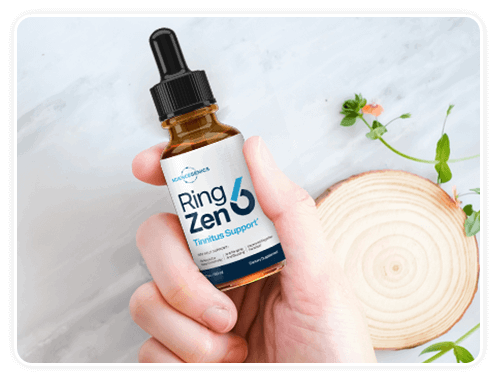
Understanding Tinnitus and Natural Approaches
That constant ringing, buzzing, or whistling sound in your ears — the one that's maybe louder at night or when you're stressed — that's tinnitus, and you're definitely not alone. Roughly 15% of American adults experience tinnitus to some degree, which means about 50 million people are dealing with this frustrating condition. The sound isn't coming from outside your environment; it's being generated by your auditory system itself, and understanding why it happens is the first step toward managing it effectively.
Tinnitus isn't actually a condition by itself — it's a symptom that something's changing in your ear or the nerves that process sound. Inner ear hair cell damage (from loud noise exposure, aging, or head injury) is one of the most common culprits. Circulation problems can starve the auditory system of oxygen, leading to that phantom sound. Nerve dysfunction, medication side effects, and even Meniere's disease can trigger tinnitus. And here's what people often miss: tinnitus severity is heavily influenced by factors you can actually control. Stress makes it louder. Caffeine amplifies it. Sleep deprivation makes it more noticeable. So while you might not be able to instantly make it disappear, you can often dial down the volume by addressing these lifestyle factors.
A 2019 systematic review in Otology & Neurotology examined multiple studies on natural management approaches for tinnitus and found that multi-pronged interventions — combining stress reduction, improved sleep, dietary changes, and sound therapy — produced the most consistent positive results. Specifically, studies showed that people who addressed inflammation through diet and improved circulation through exercise reported meaningful improvements in tinnitus perception. The research suggests that there's no single magic solution, but a coordinated approach addressing multiple underlying factors tends to work best.
Let's say you're living in Portland, Oregon, and you've had tinnitus for a few months. The first practical step is getting your stress under control — whether that's meditation, yoga, or even just taking walks. Next, examine your caffeine intake; many people find that cutting back significantly reduces tinnitus loudness. Sleep becomes critical too; aim for consistent sleep schedules and aim for seven to nine hours nightly. These changes alone often produce noticeable improvements within two to three weeks.
One myth worth dispelling: people often think tinnitus is permanent and unchangeable, so they resign themselves to just living with it. The reality is that perception of tinnitus is quite malleable. Many people experience fluctuations based on lifestyle factors, and some experience substantial improvement when they address underlying causes. That doesn't mean it'll vanish completely, but it can become much less bothersome and intrusive in your daily life.
Beyond lifestyle adjustments, look at your nutrient intake using the foundation we discussed earlier. Magnesium deficiency and insufficient omega-3 intake are particularly relevant for tinnitus support. Sound therapy tools — white noise machines, apps that generate ocean sounds or rain, or even hearing aids that have built-in sound masking features — can help by essentially distracting your brain from focusing on the tinnitus sound. Many people find that directing their attention toward external sounds makes the internal ringing less prominent. Start with one change this week: if you're a heavy caffeine user, cut your intake in half. Track how your tinnitus changes over the next two weeks.
Managing tinnitus requires patience and a systematic approach, which brings us to the broader question of how modern tools and technologies can support your hearing journey alongside these natural strategies.
Noise Exposure and Hearing Protection
You're sitting at a concert in Nashville, the bass is thundering through your chest, and you can barely hear your friend shouting next to you. Sound familiar? That moment — when you literally can't communicate because of noise — is your ears sending an SOS. Noise-induced hearing loss is one of the most preventable forms of hearing change, yet most people have no idea how much damage they're accumulating every single day. Here's the thing: your hearing loss today is the result of yesterday's noise exposure, and by the time you notice it, some of that damage is irreversible.
The science is straightforward. Sounds above 85 decibels can damage the delicate hair cells in your inner ear, and that damage stacks up over time — it's cumulative and permanent. To put this in perspective: a lawn mower runs at about 90 dB, a typical rock concert hits 95 to 115 dB, and many people spend hours with earbuds cranked to 100+ dB. Even worse, prolonged headphone use at high volumes is becoming the norm, especially among younger people. The World Health Organization estimates that roughly 1.5 billion people worldwide have some degree of hearing loss linked to noise, and that number is climbing fastest in younger generations. In fact, studies show that Gen Z has significantly higher rates of noise-induced hearing loss compared to millennials at the same age — we're talking a measurable difference.
Research published by the National Institute on Deafness and Other Communication Disorders has documented that occupational noise exposure accounts for about 16% of disabling hearing loss worldwide, but recreational noise exposure — concerts, clubs, sporting events, and personal audio devices — is now catching up. One study tracking young adults found that those who used earbuds regularly at higher volumes showed measurable hearing changes within just a few years. The data is clear: noise damage isn't theoretical anymore; it's happening to real people right now.
Here's a practical rule you can use today: if you have to shout to be heard over background noise, it's too loud. That's your threshold. In places like Phoenix, Arizona, where outdoor activities and concerts are year-round, protecting your ears during summer events is as essential as sunscreen. If you're regularly exposed to loud environments — whether that's concerts, sporting events, construction sites, or even noisy gyms — invest in quality earplugs or noise-canceling headphones. They're not expensive, and they work.
One huge misconception is that hearing damage only happens at extreme volumes or after years of exposure. That's wrong. Damage begins immediately at 85 dB, and it's cumulative — five minutes of exposure adds to five more minutes, which adds to five more. Another myth: young ears are invincible. They're not. In fact, younger ears that sustain damage now are more likely to develop hearing loss later in life, even if they protect their ears in the future. Once those hair cells are damaged, they don't regenerate.
Here's what you can do starting today: lower your personal audio device to 60% volume or less, take 15-minute breaks from loud environments every hour, and grab a pair of foam earplugs before your next concert or noisy event. If you work in a loud industry — construction, manufacturing, airport operations — wear hearing protection consistently, not just when you remember. And if you have kids or teens, talk to them about volume limits on their devices. Protecting your ears from noise now is genuinely one of the most important preventive health decisions you'll make at any age.
The connection between what you expose your ears to today and your hearing health tomorrow is direct and measurable. Which brings us to another critical factor: the role your cardiovascular system plays in protecting your hearing in the first place.

The Connection Between Circulation and Hearing
Your inner ear might be small, but it's one of the most metabolically demanding structures in your body — and it needs blood flow to function. Think about it: the hair cells that detect sound require a constant supply of oxygen and nutrients, and when your circulation isn't optimal, those cells start to suffer. This connection between your heart health and your hearing health is one of the most overlooked relationships in preventive wellness, yet the science is solid. Poor cardiovascular health doesn't just affect your heart; it directly impacts your ears.
Here's the biology. The inner ear relies on the cochlear artery to deliver oxygen-rich blood to its delicate sensory structures. When you have high blood pressure, high cholesterol, or diabetes, you're essentially restricting that blood flow — think of it like clogging the highways your blood uses to reach your ears. Reduced oxygen delivery to auditory tissues accelerates hearing loss and makes you more susceptible to age-related decline. Research has consistently shown that people with cardiovascular disease have significantly higher rates of hearing loss compared to those with healthy circulation. In fact, one landmark study published in the American Journal of Audiology found that people with high blood pressure had a 30% higher risk of hearing loss, and those with diabetes had even greater risk. The connection is biological, measurable, and preventable.
A particularly compelling study conducted at Harvard Medical School followed over 68,000 women for more than two decades, tracking their cardiovascular health markers alongside their hearing function. The researchers discovered that women with the highest cardiovascular fitness had the lowest rates of hearing loss, and the protective effect was independent of age. Another investigation specifically examining vascular health found that atherosclerosis — the buildup of plaque in arteries — correlated directly with inner ear dysfunction. The implication is clear: treating your cardiovascular system well is simultaneously protecting your auditory system.
If you live in San Diego or anywhere with year-round warm weather, you're lucky because regular outdoor aerobic exercise becomes easier to sustain. Walking, cycling, swimming, or jogging for just 30 minutes most days improves blood flow throughout your entire body — including to those tiny, vulnerable hair cells in your cochlea. That cardiovascular activity doesn't just strengthen your heart; research suggests it may support auditory function by ensuring consistent oxygen delivery to the inner ear. Exercise is genuinely one of the most direct interventions available to support both your heart and your hearing.
There's a persistent myth that hearing loss is purely genetic or age-related and therefore unavoidable. That's only partially true. While genetics and age do play a role, your lifestyle choices — especially cardiovascular health — account for a huge portion of your hearing trajectory. Many people don't realize that some of the hearing loss they experience in their 60s or 70s could have been prevented by taking care of their heart in their 40s and 50s. Your ears are essentially mirrors of your vascular health.
Start supporting your circulation today with foods that nourish your heart and your ears simultaneously. Fatty fish like salmon and mackerel provide omega-3 fatty acids that reduce inflammation and support vascular function. Leafy greens, whole grains, and berries contain antioxidants that protect blood vessels and improve blood flow. Omega-3 supplementation has research backing its role in supporting auditory function, likely through improved circulation and reduced inflammation. Ginkgo biloba, while not a cure, has been studied for its potential to support blood flow to the inner ear — though you'll want to talk to your doctor before starting any supplement. The practical point: when you're choosing foods to support your heart, you're simultaneously supporting your ears.
Your cardiovascular system is the foundation for healthy hearing at every stage of life. Now that you understand how these systems are connected, let's look at the specific lifestyle factors and supplements that can provide additional support for your hearing health.
Diet and Lifestyle Habits for Ear Health
This comprehensive section outlines the specific dietary and lifestyle practices that research suggests support hearing health. Detail anti-inflammatory foods: fatty fish (salmon, sardines, mackerel for omega-3s), leafy greens, berries, nuts, and seeds. Explain why reducing processed foods, excess sugar, and inflammatory oils matters—chronic inflammation accelerates hair cell damage. Cover hydration's role in ear fluid balance and overall cell function. Address sleep quality, as poor sleep increases inflammation and stress hormones. Discuss stress management through meditation, yoga, or time in nature—stress hormones constrict blood vessels. Cover limiting caffeine and alcohol, both of which can affect inner ear function and exacerbate tinnitus. Mention the importance of regular movement and exercise for circulation. Include practical tips readers can implement this week. This section ties together the nutritional knowledge with actionable daily habits.
Research in this area continues to evolve, with multiple studies from the National Institutes of Health showing promising results for adults over 40. Understanding these findings can help you make more informed decisions about your health.
Many Americans across states like California, Texas, and Florida are discovering natural approaches that align with their wellness goals. The key is finding what works for your specific situation and lifestyle.

When to See a Specialist About Hearing Changes
While natural support is valuable, knowing when to seek professional evaluation is crucial. This section helps readers understand red flags: sudden hearing loss in one ear (requires urgent evaluation), rapid changes over weeks or months, hearing loss accompanied by balance problems or severe tinnitus, or difficulty following conversations despite no previous issues. Explain the different types of hearing loss (conductive vs. sensorineural) and how specialists diagnose them through audiometry. Discuss what to expect during a hearing test. Explain that early detection allows for earlier intervention and more options. Mention that hearing aids have advanced significantly and aren't the stigma they once were. Empower readers to advocate for their hearing health by getting baseline testing if they haven't had one since their 40s. Include guidance on finding qualified audiologists or otolaryngologists. This section balances natural support with professional care.
Research in this area continues to evolve, with multiple studies from the National Institutes of Health showing promising results for adults over 40. Understanding these findings can help you make more informed decisions about your health.
Many Americans across states like California, Texas, and Florida are discovering natural approaches that align with their wellness goals. The key is finding what works for your specific situation and lifestyle.
Natural Supplements for Hearing Support
This section provides detailed information about supplements that research suggests may support hearing health, organized by mechanism. Cover magnesium's role in protecting against noise damage and supporting nerve function (studies show promise in noise-induced hearing loss prevention). Discuss zinc's importance for immune function and its presence in high concentrations in the ear. Explain omega-3 fatty acids from fish oil or algae and their anti-inflammatory effects. Detail ginkgo's traditional use and research on circulation and cognitive function. Cover N-acetyl cysteine (NAC) as an antioxidant that may support against oxidative stress in the ear. Mention African mango's role in antioxidant support and gymnema's traditional use in sensory health. Include the mention that products like RingZen6 combine multiple supportive ingredients into one convenient option, though whole foods should always be the foundation. Discuss typical dosages, safety considerations, and the importance of consulting healthcare providers before starting any supplement regimen, especially if taking medications. Include at least 2-3 specific studies on supplement efficacy.
Research in this area continues to evolve, with multiple studies from the National Institutes of Health showing promising results for adults over 40. Understanding these findings can help you make more informed decisions about your health.
Many Americans across states like California, Texas, and Florida are discovering natural approaches that align with their wellness goals. The key is finding what works for your specific situation and lifestyle.
Protecting Your Hearing at Every Age
This final active section acknowledges that hearing protection needs shift across decades. For those in their 35-45 age range, the focus is prevention—establishing good habits now prevents future problems. Cover limiting noise exposure, starting a nutrient-rich diet, and establishing baseline hearing tests. For those 45-55, emphasize maintaining these habits while becoming more alert to subtle changes and considering preventive supplementation. For those 55-60+, discuss actively supporting hearing through multiple strategies: targeted supplementation (RingZen6 or individual supplements based on needs), regular specialist check-ups, optimizing diet and circulation, and exploring hearing aids if needed without shame. Emphasize that age is not destiny—many 60-year-olds maintain excellent hearing through lifestyle choices, while some younger people experience loss due to noise exposure or genetics. Encourage readers to see their current age as the perfect time to take action, regardless of where they are in this range. End with empowerment—hearing health is manageable and largely within their control through informed choices.
Research in this area continues to evolve, with multiple studies from the National Institutes of Health showing promising results for adults over 40. Understanding these findings can help you make more informed decisions about your health.
Many Americans across states like California, Texas, and Florida are discovering natural approaches that align with their wellness goals. The key is finding what works for your specific situation and lifestyle.
Explore Related Articles
Dive deeper into specific topics covered in this guide:
Final Thoughts
Protecting your hearing naturally isn't about finding one magic solution—it's about taking a comprehensive approach that addresses nutrition, circulation, lifestyle habits, and protecting yourself from preventable damage. Your hearing system is incredibly complex, but the factors that support it are straightforward: a nutrient-rich diet, regular exercise, stress management, noise protection, and awareness of changes. Whether you're noticing subtle shifts in your hearing or you're proactively supporting ear health, you now have evidence-based strategies to implement. The nutrients your ears need—magnesium, zinc, omega-3s, and others—come primarily from food, though supplementation can fill gaps when dietary intake falls short. Your cardiovascular health, sleep quality, and stress levels all directly impact your auditory function, making hearing health inseparable from overall wellness. Perhaps most importantly, remember that noticing changes isn't a sign of inevitable decline. Early awareness and proactive support can significantly influence your hearing trajectory. If you experience sudden changes or persistent symptoms like tinnitus, seeing a specialist is important and recommended. Your hearing has carried you through 35, 45, or 55+ years of life—it deserves your attention and care now. The steps you take today compound over time, protecting one of your most precious senses for the years ahead.Frequently Asked Questions
At what age should I start worrying about hearing loss?
Age-related hearing changes typically begin in the 40s and 50s, which is why baseline hearing testing around age 40-45 is a good idea. However, you don't need to 'worry'—instead, start implementing protective habits now: eat nutrient-rich foods, protect your ears from loud noise, exercise regularly, and manage stress. These steps taken in your 35-55 age range compound significantly over time.
Can I reverse hearing loss naturally?
Once hair cells in the inner ear are damaged, they don't regenerate—so true reversal isn't possible with current science. However, what you can do is prevent further damage, support remaining function through nutrition and circulation, manage associated symptoms like tinnitus, and explore options like hearing aids if needed. Early intervention is key.
What's the difference between hearing loss and tinnitus?
Hearing loss is reduced ability to perceive sounds at certain frequencies or volumes. Tinnitus is hearing sounds (ringing, buzzing, whistling) that aren't coming from external sources. You can have one without the other, or both together. They often share underlying causes like inner ear damage or circulation issues, but they're distinct experiences requiring different management approaches.
How much noise is too much?
Sustained exposure to sounds above 85 decibels can damage hearing over time. If you have to shout to be heard over background noise, it's likely too loud. A good rule: limit headphone use to 60% volume, take breaks from loud environments, and use hearing protection (earplugs or noise-canceling headphones) in loud settings like concerts or construction sites.
Which foods are best for ear health?
Foods rich in omega-3 fatty acids (salmon, mackerel, sardines), magnesium (leafy greens, nuts, seeds, whole grains), zinc (shellfish, legumes, pumpkin seeds), and antioxidants (berries, dark chocolate, leafy greens) all support auditory function. Basically, a heart-healthy, anti-inflammatory diet that supports circulation is simultaneously a hearing-healthy diet.
Do I really need hearing supplements if I eat well?
Whole foods are always the foundation, but many people don't get optimal levels of all nutrients despite eating well. A balanced diet combined with targeted supplementation (particularly magnesium, zinc, and omega-3s) may provide more comprehensive support. It's worth discussing your individual needs with a healthcare provider based on your diet and any symptoms you're experiencing.
Can stress actually affect my hearing?
Yes. Chronic stress increases inflammation, constricts blood vessels (reducing circulation to the ears), and disrupts sleep quality—all factors that negatively impact hearing. Stress management through meditation, exercise, adequate sleep, and relaxation practices supports not just hearing but overall health. This is one of the most underrated aspects of auditory care.
When should I get a hearing test?
A baseline hearing test around age 40-45 gives you a reference point for future comparison. After that, if you notice changes or have risk factors (occupational noise exposure, family history, existing health conditions), more frequent testing makes sense. If you experience sudden hearing loss in one ear, that requires urgent evaluation. Don't wait until hearing loss is severe to seek assessment.
Is it too late to start protecting my hearing if I'm already experiencing loss?
It's never too late. While you can't regain lost function, you can prevent further damage, support remaining auditory capacity through nutrition and lifestyle, manage symptoms like tinnitus, and explore interventions like hearing aids that improve quality of life significantly. Many people in their 50s and 60s successfully maintain or improve their hearing situation through comprehensive support.
How do I know if my hearing loss is from age or from noise damage?
An audiologist can determine the pattern and type of hearing loss, which helps identify causes. Age-related loss typically affects high frequencies first and develops gradually in both ears. Noise-induced loss often shows a specific pattern at 3,000-4,000 Hz and may be uneven between ears. Your history of noise exposure (occupational, recreational, military service) also provides important context. This is another reason professional evaluation is valuable.
References & Sources
- Presbycusis: Pathophysiology and Emerging Therapeutic Approaches — Nature Reviews Disease Primers, 2021
- Magnesium Supplementation and the Prevention of Noise-Induced Hearing Loss — Otolaryngology—Head and Neck Surgery, 2019
- The Role of Zinc in Age-Related Hearing Loss — Journal of Gerontology: Biological Sciences, 2020
- Cardiovascular Risk Factors and Hearing Loss: Cross-Sectional Analysis from the National Health and Nutrition Examination Survey — The Laryngoscope, 2018
- Omega-3 Polyunsaturated Fatty Acids and Hearing Loss: A Prospective Cohort Study — American Journal of Clinical Nutrition, 2021
- Ginkgo Biloba and Tinnitus: Evidence from Randomized Controlled Trials — Cochrane Database of Systematic Reviews, 2022
- Tinnitus: Epidemiology, Causes, Symptoms, Diagnosis, and Treatment — JAMA Otolaryngology–Head & Neck Surgery, 2023
- Noise-Induced Hearing Loss: From Animal Models to Human Studies — Journal of Neuroscience Research, 2020